 By Dr. Marianne Aquino
When a new patient walks into our Legazpi Village clinic and says, "Doc, parang nararamdaman ng tuhod ko kung uulan," we do not brush it off. Joint pain that worsens with weather changes is one of the most common complaints we hear in Makati, and for good reason. Manila is warm, wet, and humid — and those three things, combined with our city's unique lifestyle, can turn a small joint issue into a daily struggle. This guide walks you through why that happens, the kinds of joint pain we see most often, and when it is time to stop self-medicating and get proper help.
Why humidity makes Filipino joints feel worse
Let us start with the myth-busting. Humidity itself does not cause arthritis — but it can absolutely aggravate it. When barometric pressure drops before a storm (and it drops often during habagat season), the pressure inside your joints shifts relative to the pressure outside. In a healthy joint, this is imperceptible. In a joint where the cartilage is already thin or the surrounding tissue is inflamed, even a small pressure change can feel like a dull, heavy ache.
Add Manila's average humidity — hovering between 70% and 85% for most of the year — and you get another layer: dehydration. Yes, dehydration, even in humid weather. People sweat heavily, forget to drink water (because sobra ang init, walang gana uminom), and joint fluid becomes less effective at lubricating. Muscles tighten around stiff joints as a protective response, and that stiffness is what most of our patients actually feel.
The kinds of joint pain we see most in Manila
After a decade of clinical work in Makati, we have noticed patterns. Joint pain in the Philippines is not one thing — it is usually one of these four:
1. Osteoarthritis (wear-and-tear)
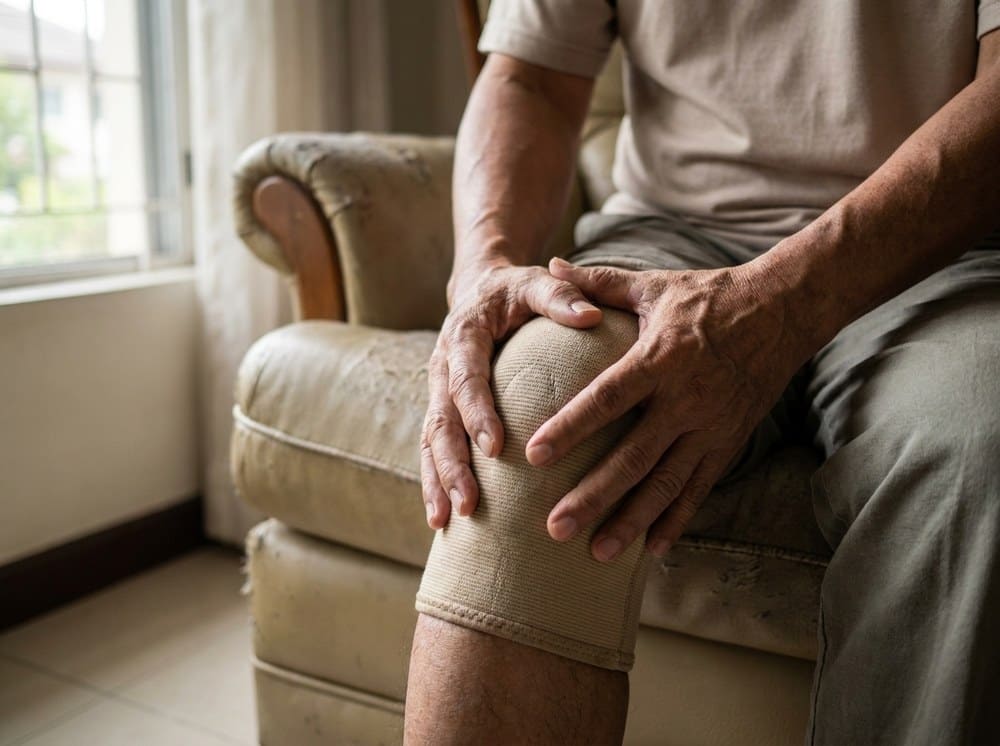
The most common culprit, especially in people 45 and older. Cartilage — the smooth cushion between bones — gradually thins. Knees, hips, and hands are the usual targets. If your lola complains her knees "lock" when she stands after sitting through a long Sunday lunch, it is almost always this. Our knee and arthritis care program is specifically built for this population.
2. Rheumatoid arthritis (autoimmune)
Less common but more serious. The body's immune system attacks the joints — often symmetrically, so both wrists or both feet will hurt at once. Rheumatoid arthritis needs a rheumatologist, not just a physiotherapist, but PT plays a huge role in preserving movement and strength between flare-ups. Makati Med and St. Luke's both have excellent rheumatology clinics we coordinate with.
3. Tendinitis and bursitis
Overuse injuries from repetitive movement — think jeepney drivers with sore shoulders, call-center agents with tight wrists, or lola who has been ironing all day. These respond beautifully to early physiotherapy but get stubborn if ignored.
4. Post-injury joint pain
Old ankle sprain from basketball in college. Knee that "never felt right" after a fall on slippery Makati sidewalks during a typhoon. These get worse with age if the joint never fully rehabbed. If you are still feeling after-effects from an old injury, our sports injury recovery or post-surgery rehab pathways often reveal exactly why.
Manila lifestyle factors that quietly worsen joints
Beyond weather, there are everyday things in our city that wear joints down faster than people realize:
- Long commutes on jeepneys and buses. Sitting with knees bent above 90 degrees for an hour in EDSA traffic is not kind to your kneecaps.
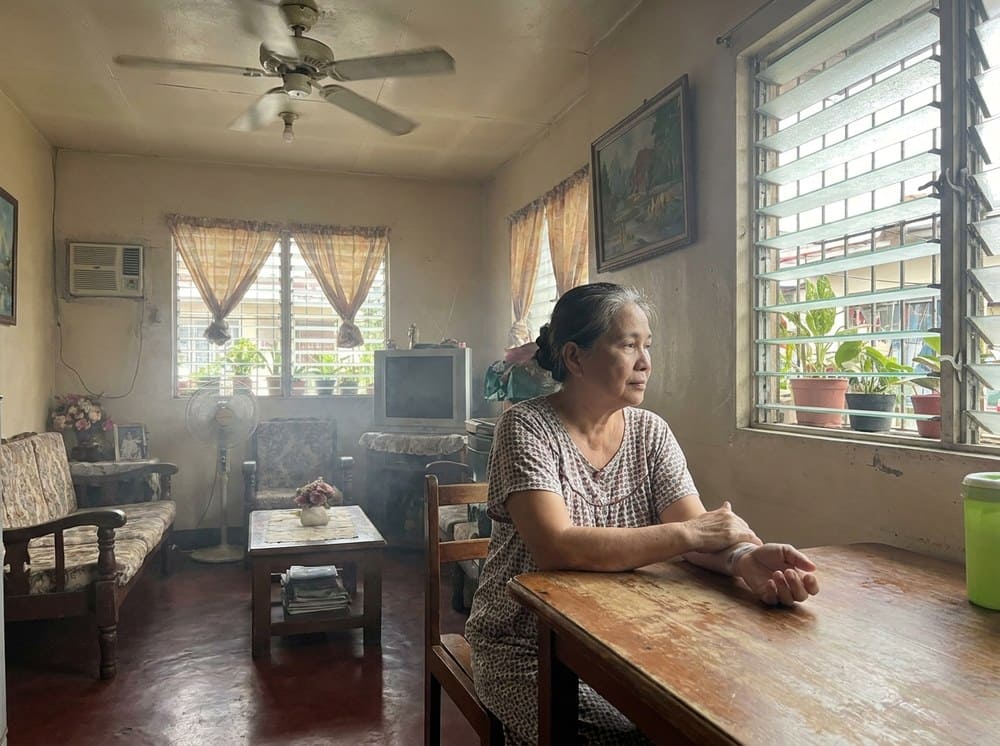
- Condo living with limited floor space. People skip daily movement because there is no room to stretch properly — a 10-square-meter living area does not invite yoga.
- Flip-flops and slim slippers. Year-round tsinelas offer almost zero arch support. Over years, this shifts load through the knees and hips.
- Air-conditioning all day, hot-humid air outside. This rapid temperature swing causes joint tissues to contract and expand, which irritates already-inflamed areas.
- Weight and diet. Rice-heavy meals and sweetened drinks (looking at you, iced coffee with extra syrup) contribute to systemic inflammation — which your joints feel before your waistline does.
The insight most patients miss: joint pain is rarely just about the joint. It is about the muscles, tendons, and posture that surround it. Fix the ecosystem, and the pain usually retreats.
What you can do today (before even seeing a therapist)
There is no single miracle fix, but three habits genuinely help most of our Makati patients within two or three weeks:
Hydrate properly. Aim for 8 to 10 glasses of water in Manila's climate, more if you are outdoors or commute on foot. Joint fluid is mostly water — starve it, and stiffness follows.
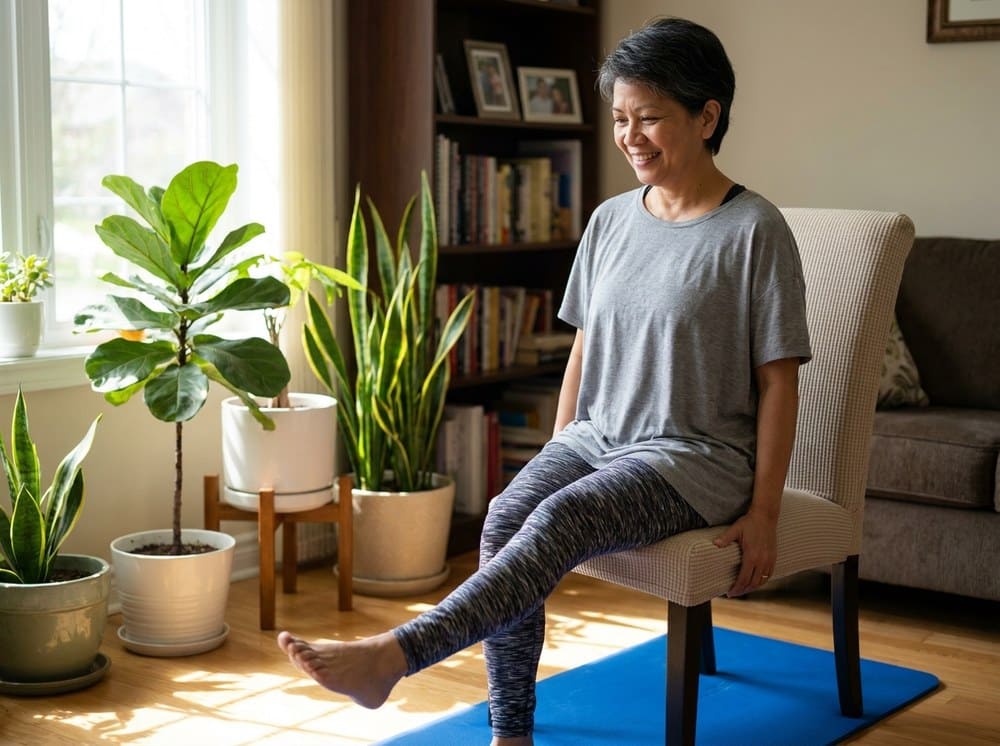
Move for 10 minutes every morning. Gentle, full-range movement before you sit for work. This is not exercise — it is lubrication. We have a full home routine in our guide on five knee-friendly exercises you can do at home.
Change your shoes when you work from home. If you wear house slippers all day, your arches and ankles forget how to stabilize. A pair of proper indoor supportive sandals (the ones your orthopedist-friend keeps recommending) is a small investment.
Tip from our team
If your joint pain spikes on rainy days, keep a simple diary for two weeks. Note the weather, what you ate, how much you moved, and your pain level (1–10). Patterns emerge quickly — and bring this to your first physiotherapy session. We can often identify triggers in ten minutes that would otherwise take a month to uncover.
When to stop self-treating and see a physiotherapist
Most Filipinos wait too long. We hear it constantly: "Akala ko kasi gagaling na lang, tapos umabot ng anim na buwan." Here are the signs that the joint needs a professional hand:
- Pain lasting more than 3 weeks despite rest
- Noticeable swelling or warmth around the joint
- Morning stiffness lasting over 30 minutes
- Pain waking you up at night
- Reduced range of motion — you cannot fully bend or straighten the joint
- A joint that gives way, clicks painfully, or "locks"
In the Philippines, you do not legally need a GP referral to see a physiotherapist — any PRC-licensed PT can assess and treat you directly. For a fuller breakdown of what PT can offer that your family doctor cannot, read our guide on when to see a physiotherapist rather than just your GP for joint pain.
Our approach at MotionPath
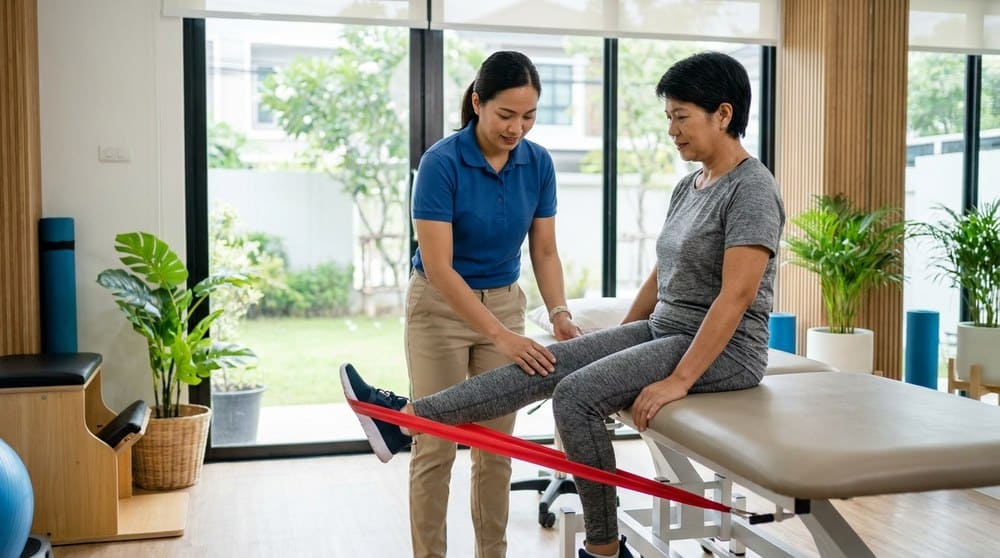
Every joint pain case we see in Makati starts with a one-on-one assessment — usually 45 minutes. We watch how you walk, squat, and move, then test the joint directly. Treatment typically combines hands-on soft-tissue work, joint mobilization, targeted strengthening, and a home program you can actually follow in a Manila condo. Most cases resolve within 6 to 10 sessions. No long contracts, no vague "maintenance" packages.
Manila's climate is not going to change. But how your joints feel in it absolutely can. If this article described your situation, we would rather see you in month one than month six — come in for an assessment, and we will tell you honestly if you even need physiotherapy.